
Title: Strategies for Protecting Privacy and Safety When You Have a High Public Profile and Significant Wealth
Introduction
For high-net-worth individuals with substantial public visibility, security and privacy concerns are not theoretical—they’re ongoing, practical priorities. If your profile attracts attention, both from admirers and would-be threats, a proactive, layered approach is essential. This article synthesizes widely discussed best practices and practical steps used by people in the $10M–$100M wealth range to reduce risk, safeguard privacy, and maintain personal and family safety.
Key concepts: security vs. privacy
– Security: Procedures and protections that reduce the risk of physical harm, financial loss, or coercion. This includes protection from hacking, kidnapping, burglary, or extortion.
– Privacy: The ability to control who sees your personal information, movements, and associations, and to reduce unnecessary visibility.
Representative best practices for high-visibility wealth
1) Location strategy
– Consider residing in areas with high quality of life and robust security, while avoiding locations where your wealth makes you a conspicuous target. Balance privacy, convenience, and access to trusted services.
– Avoid announcing or flaunting wealth in daily life; minimize obvious signals that could attract opportunistic attention.
2) Communications hygiene
– Use separate lines of communication for sensitive matters: a burner-style phone number and email for public-facing activities, and primary channels for trusted contacts.
– Be mindful of what personal details you share publicly (real name, birthdate, home address, travel plans).
3) Private logistics and contact management
– Maintain a secondary mailing address for non-critical correspondence to avoid exposing your primary residence.
– Structure property ownership to align with risk management and asset protection goals (e.g., use of legal entities where appropriate and compliant with local laws).
4) Property and asset protection
– Consider real estate ownership through appropriate legal entities and consult with a qualified attorney to design structures that balance liability protection, tax considerations, and privacy.
– Conduct thorough due diligence on service providers and vendors; implement background checks where appropriate and legally permissible.
5) Digital and personal security hygiene
– Develop a routine of cyber hygiene: strong, unique passwords; multi-factor authentication; regular software updates; and phishing awareness training for yourself and key staff.
– Limit the exposure of personal information online; review and adjust social media privacy settings; be cautious about tagging locations and travel plans.
6) Professional security support
– Engage specialists as needed:
– Personal cybersecurity consultants for audits, threat modeling, and incident response planning.
– Personal security professionals for risk assessments, security protocols, and coordination with households and staff.
– Trusted legal and financial advisors who understand privacy, asset protection, and regulatory considerations.
– Establish an escalation and response plan for potential threats, including safe travel protocols and emergency contacts.
7) Physical safety measures
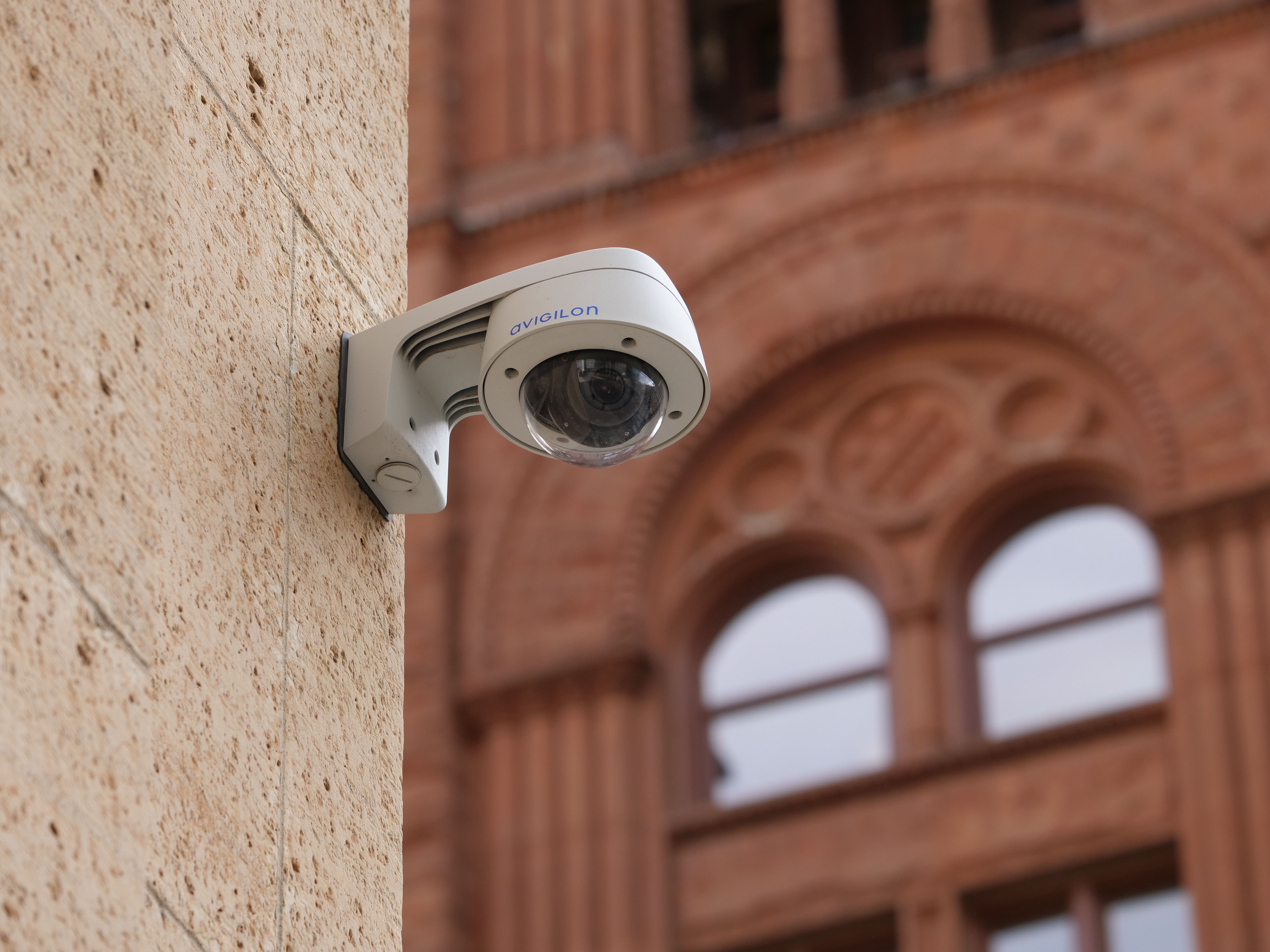
– Assess home and property security, including access control, surveillance, lighting, and alarm systems appropriate to your risk profile.
– Consider personal safety training and, where appropriate, discreet security personnel and protective measures for events, travel, and public appearances.
– Explore lawful self-defense options in line with local laws and safety needs, and ensure compliant procurement and training.
8) Family and household considerations
– Align privacy and safety practices with family goals and legal considerations; limit personal disclosures that could impact dependents.
– Create a family security plan that covers travel, school, activities, and routine routines to minimize exposure and risk.
What else might be considered for someone in this situation?
– Personal risk assessment: Regularly reassess potential threat models (stalkers, extortion, cyber threats, corporate or political risk) with qualified professionals.
– Incident response playbook: A clearly written plan for data breaches, physical security incidents, or travel disruption, including contacts, steps, and recovery timelines.
– Reputation and media strategy: Prepared responses and privacy controls for interviews, public appearances, and social media engagement to avoid unintentional disclosures.
– Travel security: Safe routing, vetted accommodations, and trusted local support when traveling for work or public engagements.
– Insurance and legal readiness: Adequate coverage for cyber, liability, property, and personal safety; updated powers of attorney and estate planning aligned with privacy goals.
Note on sources and ongoing learning
– While public resources and communities discuss safety and privacy practices for high-net-worth individuals, professional, jurisdiction-specific guidance is essential. Work with qualified security professionals, legal counsel, and financial advisors to tailor a plan that complies with applicable laws and respects personal circumstances.
Closing thoughts
With a highly elevated public profile, a disciplined, layered approach to security and privacy is not optional but essential. Start with a risk assessment, implement foundational privacy controls, and build a scalable ecosystem of trusted professionals to adapt to evolving threats and opportunities. If you’d like, I can help outline a step-by-step action plan tailored to your specific situation and jurisdiction.



The separate phone and email approach is useful, but it can create its own failure point if trusted contacts cannot tell which channel is legitimate. A practical addition is to establish a small, documented verification protocol—such as confirming sensitive requests through a known secondary channel—and have an assistant or security adviser maintain device inventories, recovery codes, and access reviews.