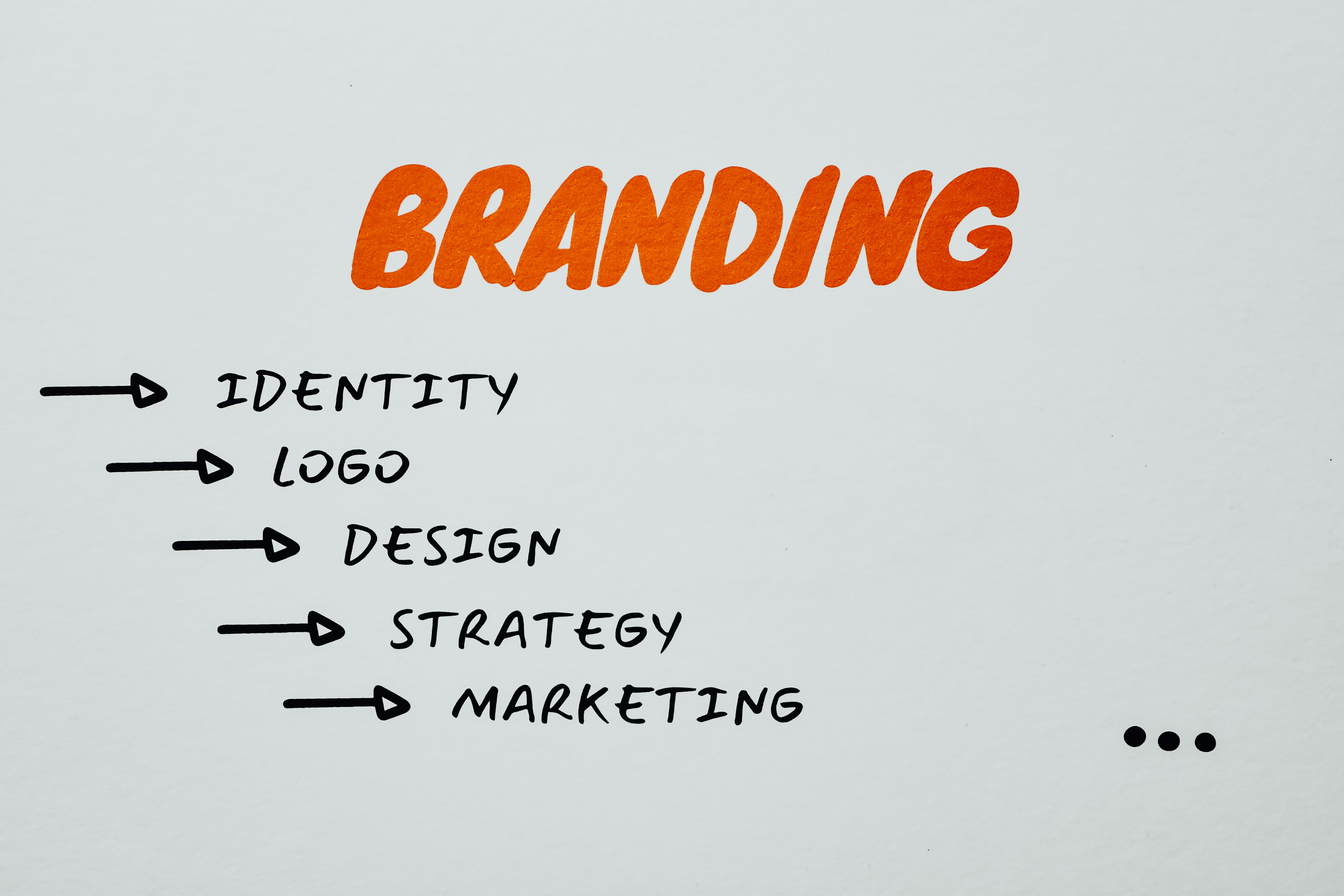

How Branding Drives Success in Digital Marketing
Branding in the digital era: Why it truly matters
Brand value isn’t something you can physically measure, yet its impact is unmistakable. A strong brand engenders trust, boosts recall, and often leads customers to choose it over competitors—even when other options are cheaper. In a world that operates primarily online, branding has evolved beyond logos and color schemes. It’s about consistent messaging, meaningful audience connections, and credible presence built over time.
The power of a well-established brand
- Trust and recognition: A coherent brand voice and visual identity help audiences feel confident in their choice.
- Preference and loyalty: Well-known brands often win due to perceived reliability, which can translate into repeat business.
- Competitive differentiation: In crowded markets, branding provides a clear signal about value, beyond price alone.
Strategic elements behind effective branding
- Audience insight: Deep understanding of target demographics, needs, and pain points informs messaging that resonates.
- Competitive mapping: Analyzing competitors helps identify gaps and opportunities to position the brand uniquely.
- Behavioral signals: Small, often subconscious details about customer behavior—how they interact with content, respond to messages, and engage with channels—collectively shape a brand’s effectiveness.
- Consistent communication: Regular, aligned messaging across channels reinforces brand meaning and credibility.
- Long-term credibility: Building trust requires sustained delivery on brand promises and quality over time.
Branding versus performance marketing: finding the balance
Performance marketing—ads, conversions, and immediate results—plays a crucial role in driving short-term outcomes. However, branding creates the foundation that enhances the efficiency and longevity of performance efforts. A strong brand can improve ad recall, increase conversion rates, and reduce customer acquisition costs over time by attracting more engaged and loyal buyers.
Discussion points
- To what extent does branding influence outcomes in digital marketing compared with direct performance metrics?
- How should organizations balance brand-building initiatives with performance-driven campaigns to maximize ROI?
- What are practical, scalable branding strategies for businesses at different stages (startup, growth, enterprise) in a digital-first environment?
If you’d like, share examples from your experiences where branding clearly impacted digital performance, or where performance tactics seemed to rely on a strong brand to succeed.



The point about branding lowering customer acquisition costs over time is especially important, but it can be difficult to prove with last-click reporting. A campaign may appear to convert efficiently because earlier brand exposure built familiarity through video, social content, or branded search. Tracking branded search lift, direct traffic, repeat purchase rates, and conducting periodic holdout tests can give a more realistic view of branding’s contribution.